Buying waterfront near Polson can feel like a dream move, but it also comes with details you do not want to discover after you are under contract. If you are drawn to Flathead Lake for the views, boating, and lifestyle, you also need to understand shoreline rules, access, permits, and property records before you commit. The good news is that with the right due diligence, you can move forward with much more confidence. Let’s dive in.
Why Polson waterfront stands out
Polson sits at the south end of Flathead Lake and is known for its lakeside setting, waterfront parks, trails, and town amenities. For many buyers, that means waterfront near Polson can offer a blend of lake access and everyday convenience that feels more connected than some other stretches of shoreline.
That said, not every waterfront property near Polson offers the same experience. Shoreline character, access patterns, and ownership details can change significantly from one parcel to the next. A home with direct frontage, a shared dock, or nearby public access may fit your goals very differently.
Understand the south half shoreline rules
One of the most important things to know is that the south half of Flathead Lake has a distinct shoreline-regulation history. According to the Confederated Salish and Kootenai Tribes, Ordinance 64A was created to regulate riparian structures along the south half of the lake, and the Shoreline Protection Office administers those rules and registers riparian structures.
This matters because shoreline ownership does not work the way some buyers assume. On the south half of Flathead Lake, title extends only to the high-water mark, while the bed and banks are held in trust for the Tribes. In practical terms, you should not assume that owning waterfront means full control of everything between your yard and the water.
Why the high-water mark matters
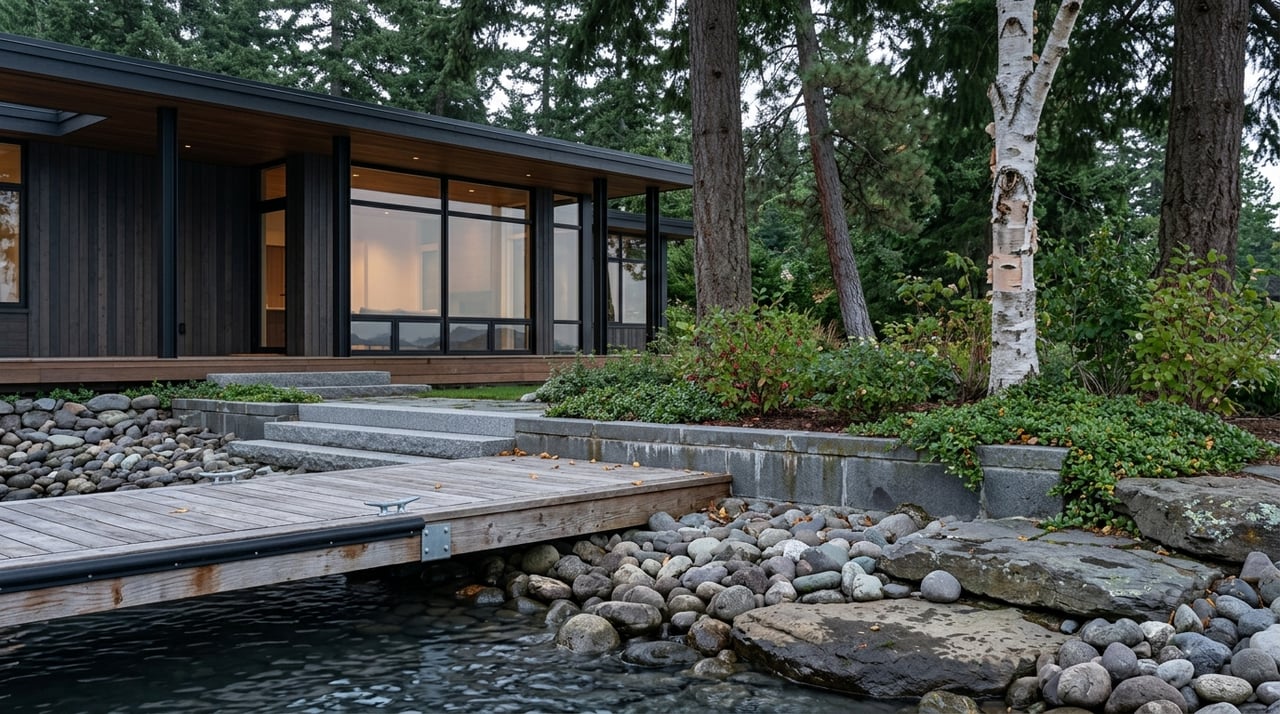
The high-water mark affects how you think about docks, shoreline improvements, and use of the lake edge. If a property is advertised with a dock, breakwater, or other riparian feature, you need to verify how it was approved and whether that approval still aligns with the current use.
That review is especially important near Polson because the relevant shoreline authority for the south half is CSKT’s Shoreline Protection program. A structure that exists today should not be treated as automatically transferable or automatically compliant without a current document review.
Compare shoreline character carefully
Flathead Lake is large, with 191 square miles and 160 miles of shoreline, and even nearby areas can feel very different. Flathead Lake State Park notes that its mainland park units each have a unique feel and view, which is a useful reminder for buyers looking near Polson.
For example, Big Arm is north of Polson on the west side at Big Arm Bay, while Finley Point sits north on the southeast shore in an open ponderosa pine forest and includes boat slips and a kiosk boat ramp. Those differences show why two homes with the same “waterfront” label may offer very different settings, exposure, and access patterns.
Do not define lake living by a private dock alone
Polson offers more than private shoreline. The city maintains 12 park areas, waterfront parks, and more than 10 miles of walking and biking paths within city limits.
That can be a real advantage if you want a lake-oriented lifestyle without relying only on private waterfront features. In some cases, a home near public waterfront amenities may fit your goals just as well as a property with direct frontage.
Know the access and recreation rules
Because the south half of Flathead Lake is within the Flathead Reservation, recreation rules are part of the buying picture. Montana Fish, Wildlife & Parks states that a tribal recreation permit is required for recreation on tribal land outside the parks.
FWP also states that a tribal fishing license is required for fishing on the southern half of Flathead Lake and other waters within the reservation. If boating, shoreline use, or fishing is part of your plan, make sure you understand those rules early so your expectations match the property and location.
Check for shared amenities and HOA obligations
Not every waterfront property is set up as a simple private lot with exclusive shoreline control. In some lakefront districts, zoning rules require permanent open space held in common ownership by the homeowners association, with shoreline buffers intended to preserve a natural undeveloped edge.
Those same rules also allow homeowners parks to include a common dock, while prohibiting boat storage in those parks. For a buyer, that means a waterfront home may come with shared-use features, shared responsibilities, or limits on how amenities can be used.
Review CC&Rs before you rely on amenities
If a listing mentions beach access, a dock, parking, trails, or open space, verify the legal details before moving forward. Recorded covenants, plats, surveys, easements, and CC&Rs are essential documents for understanding what actually comes with the property.
Flathead County’s Plat Room is the county’s official source of land ownership information and survey records, and the Clerk & Recorder maintains documents such as covenants, conditions, and restrictions. Before you rely on any amenity, confirm that it is supported by the recorded documents and not just by assumption or marketing language.
Verify setbacks and build limitations
Waterfront value is often tied to what you can improve, expand, or preserve over time. That is why setbacks and zoning standards deserve close attention early in the process.
Flathead County zoning rules include lakefront standards such as a 50-foot lake setback landward of the average high water line in certain districts. If you are thinking about remodeling, adding outdoor features, or changing a shoreline area, those rules can affect what is possible.
Check floodplain status early
Flood risk should be part of your early review, not a last-minute surprise. Flathead County states that work in a regulated flood-hazard area generally requires a Floodplain Development Permit.
The county specifically notes that projects such as docks, bank stabilization, residential structures, and subdivision roads may need permits. It also notes that flood insurance typically has a 30-day waiting period before coverage starts, which is another reason to ask questions before closing gets close.
Why flood review matters for buyers
Floodplain status can affect insurance, financing, future improvements, and your overall ownership costs. Even if a home feels established and well maintained, that does not mean future work will be simple.
A floodplain review can help you understand whether the property supports your plans as-is. It can also help you avoid buying a home that looks ideal on the surface but comes with extra permitting hurdles.
Confirm septic, sewer, and water rights
Utilities and water service can make or break a waterfront purchase, especially if you are considering future upgrades. Before making assumptions about a parcel’s potential, verify how wastewater and water use are currently handled.
Flathead County Environmental Health requires a land research request form before the septic application process. The county also states that a Certificate of Subdivision Approval exists for parcels divided into lots smaller than 20 acres.
If an approved public sewer line is readily available within 200 feet and the owner approves the connection, the applicant must connect. That is a detail worth confirming if you are comparing older homes, vacant land, or properties with redevelopment potential.
Water rights deserve a separate review
If the property depends on a well or any additional water use, ask about water rights early. The Montana Department of Natural Resources and Conservation states that a recorded water right is required for the majority of water uses in Montana.
CSKT also notes that notable water-right governance changes took effect under the 2021 compact on the Flathead Reservation. For buyers near Polson, that means it is wise to confirm existing water uses, how they are documented, and whether your plans could involve state, county, or tribal review.
A smart due diligence sequence
When you buy waterfront near Polson, sequence matters. It is much easier to evaluate risk when you review the right documents and approvals in an organized way.
A practical buyer checklist includes:
- Confirm title and survey
- Review recorded plats, easements, and CC&Rs
- Check HOA rules and shared-amenity obligations
- Verify dock and shoreline permits
- Review floodplain status
- Confirm septic or sewer approvals
- Review water-use and water-right questions if applicable
- Have the appropriate local, tribal, legal, and lending professionals review the file before removing contingencies
This kind of process helps you move from excitement to clarity. It also helps you buy with a better understanding of how the property will function in real life, not just how it appears in photos.
Waterfront near Polson can be an exceptional lifestyle purchase, especially if you value lake access, scenic surroundings, and a location tied closely to Flathead Lake. The key is knowing that waterfront here is not one-size-fits-all. If you want a clear picture of shoreline rules, access, records, and property fit before you make a move, Tiffany MacKenzie can help you navigate the details with local insight and thoughtful guidance.
FAQs
What should you verify before buying waterfront near Polson?
- You should verify title, survey, plats, easements, CC&Rs, shoreline permits, floodplain status, septic or sewer approvals, and any water-right questions tied to the property.
How does shoreline ownership work on the south half of Flathead Lake near Polson?
- On the south half of Flathead Lake, title extends only to the high-water mark, while the bed and banks are held in trust for the Confederated Salish and Kootenai Tribes.
Do waterfront homes near Polson always come with a private dock?
- No. Some properties may involve shared amenities, common open space, common docks, or access that depends on HOA rules, recorded documents, and shoreline approvals.
Are permits important for docks and shoreline structures near Polson?
- Yes. On the south half of Flathead Lake, CSKT’s Shoreline Protection program is the relevant review body for riparian structures, so existing improvements should be verified through current records.
What recreation rules should buyers know for the south half of Flathead Lake?
- Buyers should know that a tribal recreation permit is required for recreation on tribal land outside the parks, and a tribal fishing license is required for fishing on the southern half of Flathead Lake and other waters within the reservation.
Why should buyers check floodplain status for waterfront property near Polson?
- Floodplain status can affect permitting, insurance, financing, and future improvements, and some work in regulated flood-hazard areas may require a Floodplain Development Permit.